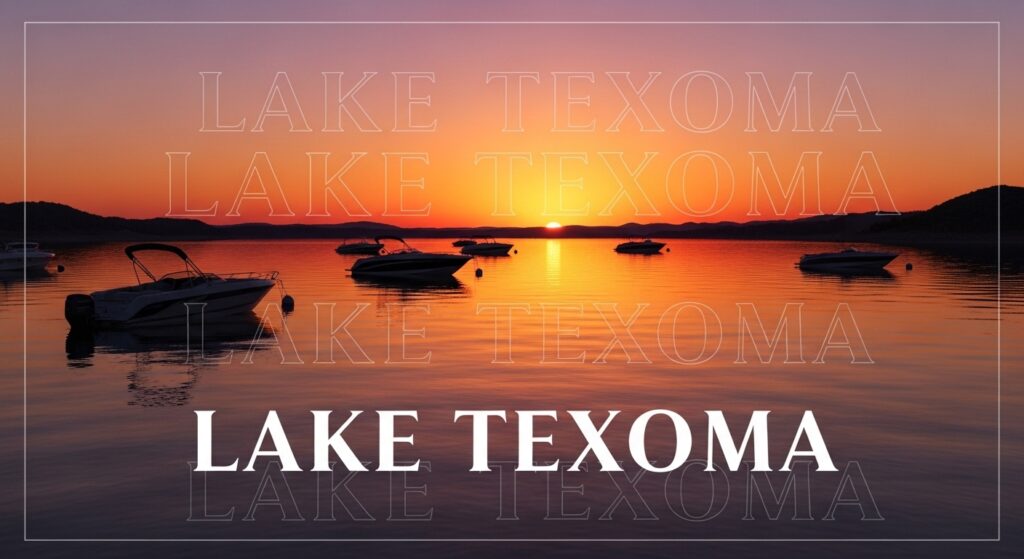
If you’re searching “lake texoma should be capitalized”, you’re likely trying to answer a straightforward but important writing question: Is “Lake Texoma” a proper noun that requires capitalization, or should it sometimes be lowercase?
This usually comes up in:
- Academic writing
- Blog posts or travel content
- Social media captions
- Formal documents or reports
Let’s settle it clearly and correctly.
The Short Answer
Yes — “Lake Texoma” should be capitalized when you are referring to the specific lake on the Texas–Oklahoma border.
Why? Because it is a proper noun, the official name of a place.
Why “Lake Texoma” Is Capitalized
In English grammar, proper nouns (names of specific people, places, or things) are always capitalized.
- Lake → capitalized because it’s part of the official name
- Texoma → capitalized because it’s a unique name
Together, “Lake Texoma” is a proper noun, just like:
- Lake Michigan
- Lake Tahoe
- Lake Victoria
Key Rule
When “lake” is part of a specific name, capitalize it.
When You Should Capitalize “Lake Texoma”
Use capitalization in these situations:
1. Referring to the Specific Location
- “We spent the weekend at Lake Texoma.”
- “Fishing at Lake Texoma is popular year-round.”
2. In Titles or Headings
- “Best Camping Spots at Lake Texoma”
- “A Guide to Visiting Lake Texoma”
3. In Formal or Informational Writing
- “Lake Texoma is one of the largest reservoirs in the United States.”
When You Should NOT Capitalize It
There are a few cases where lowercase is correct—but notice the difference:
1. When Speaking Generically About Lakes
- “We visited a lake near the border.”
- “That region has many beautiful lakes.”
2. When “lake” Is Not Part of the Name
- “Texoma is a large lake.” (Here, “lake” is descriptive, not part of the name)
Real-World Examples
Correct Usage
- “The sunset over Lake Texoma was incredible.”
- “Boating is a major activity at Lake Texoma.”
Incorrect Usage
- “The sunset over lake texoma was incredible.”
- “We visited Lake texoma last summer.”
These errors make writing look unpolished and can reduce credibility.
Practical Use Cases
1. Travel Blogging
If you’re writing a travel guide:
- Correct: “Top Things to Do at Lake Texoma”
- Incorrect: “Top Things to Do at lake texoma”
2. Academic Writing
- Correct: “Water levels at Lake Texoma fluctuate seasonally.”
Proper capitalization shows attention to detail.
3. Social Media
Even in casual writing:
- Better: “Weekend vibes at Lake Texoma 🌅”
It looks more professional and readable.
Comparison: “Lake Texoma” vs Generic Usage
| Context | Example | Capitalized? |
|---|---|---|
| Specific name | Lake Texoma | Yes |
| General reference | a lake in Texas | No |
| Mixed usage | Texoma is a lake | No (only Texoma capitalized) |
| Title/headline | Visiting Lake Texoma | Yes |
Pros and Cons of Correct Capitalization
Pros
- Improves clarity and readability
- Shows grammatical accuracy
- Builds credibility in writing
- Matches standard English conventions
Cons
- Very few—mainly just the need to remember the rule
- Mistakes can look unprofessional if ignored
Common Mistakes to Avoid
- Lowercasing the entire name
- lake texoma
- Lake Texoma
- Capitalizing only one word
- Lake texoma
- lake Texoma
- Confusing descriptive vs proper usage
- “Texoma is a lake” (correct lowercase “lake”)
FAQ
1. Is “Lake Texoma” always capitalized?
Yes, when referring to the official name. If you’re using “lake” generically, then no.
2. Why is “lake” capitalized in this case?
Because it’s part of the proper noun, not just a description.
3. What about similar names like “the lake Texoma”?
This is incorrect. You should write:
- “Lake Texoma”
Not: - “the lake Texoma”
4. Do I capitalize “the” before it?
No.
- Correct: “the Lake Texoma shoreline”
- “the” stays lowercase unless it starts a sentence.
5. Does this rule apply to all lakes?
Yes. Any officially named lake follows the same rule:
- Lake Superior
- Lake Como
- Lake Texoma
Final Takeaway
If you’re referring to the actual place, always write “Lake Texoma” with both words capitalized.
It’s a simple rule, but applying it consistently makes your writing cleaner, more professional, and easier to understand.